Aiguines · 83
Musée des tourneurs sur bois d'Aiguines
In the heart of Aiguines, a village perched above Lake Sainte-Croix, a museum awarded the “Musée de France” label, devoted to woodturning and the famous boules cloutées (studded boules), the ancestors of pétanque.
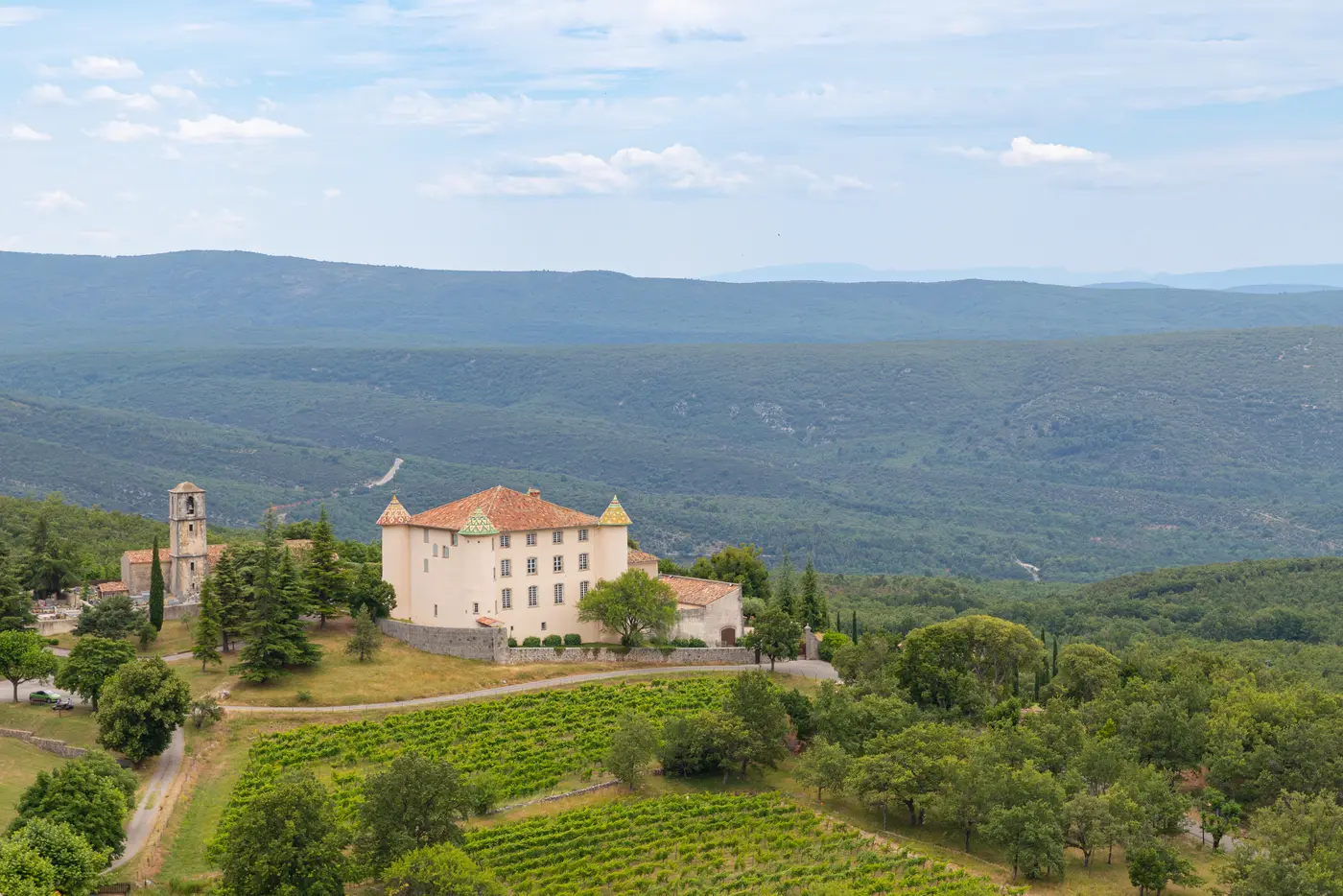
- A museum devoted to woodturning and the craft of boules cloutées (studded boules) made from boxwood, in the heart of the village of Aiguines (Var), at the western entrance to the Gorges du Verdon.
- Its ethnographic collections carry the “Musée de France” label; the tourist office cites around 250 m² of permanent and temporary exhibitions.
- It was created on the initiative of the commune of Aiguines.
- Inside, you’ll find studded boules made from boxwood root, everyday turned objects, and an interactive display blending yesterday’s know-how with contemporary craftsmanship.
- Until the mid-20th century, Aiguines was a renowned centre for making studded boules, exported all over France — hence its nickname, the “studded boule capital”.
What you’ll see
- Ethnographic collections carrying the “Musée de France” label, presented as evidence of a rare craft.
- Boules cloutées (studded boules) made from boxwood root, the museum’s emblematic centrepiece.
- Everyday turned objects made from various local woods — beech, ash, alder and maple — alongside boxwood.
- A modern, interactive and playful display retracing the history of the people of this pre-Alpine area.
- A constant thread connecting yesterday’s know-how with contemporary woodturning creation.
The woodturning tradition in Aiguines
- Woodturning in Aiguines is recorded as early as the late 16th century, at first as a sideline alongside farming and pastoral herding.
- It only became a genuine trade in the 19th century.
- The village’s speciality was the studded boule, the ancestor of the pétanque ball: a turned boxwood core, entirely covered in nails — in the order of 500 to 1,000 per boule — which gave it roundness and strength.
- The studding was done by women, the “ferreuses”, who worked in front of doorways and in the village squares, to the rhythm of small hammer taps.
- Aiguines’ renown lasted until the mid-20th century, with production exported across France and beyond.
A living craft
- Since 2012, Aiguines has been home to the woodturning school of the internationally renowned art turner Jean-François Escoulen.
- Since 2014, the village has held the “Journées du bois tourné” (Turned Wood Days), a summer gathering (in August) bringing together woodturners and enthusiasts.
- These gatherings feature exhibitions of turned pieces, ongoing demonstrations and introductory workshops led by woodturners.
- The local associations and the Escoulen school keep the transmission of this craft alive.
- In summer, the museum runs woodturning demonstrations (check days and times with the museum).
Why Aiguines
- Aiguines is a village perched at an elevation of around 800 m, overlooking Lake Sainte-Croix and the approach to the Gorges du Verdon.
- It marks the western entrance to the gorges, a pivotal point between lake and cliffs.
- The village has a castle (now privately owned and not open to visitors) that overlooks the rooftops.
- The forest of Aiguines, rich in boxwood, supplied the raw material for woodturning: a wood prized for its fine grain and compact roots, whose extraction — overhanging sheer drops — was reputedly difficult.
The museum is in the heart of the village of Aiguines (Var, 83), perched above the southern shore of Lake Sainte-Croix, at the western entrance to the Gorges du Verdon. You can reach it by road from Moustiers-Sainte-Marie and Lake Sainte-Croix, or from inland Var. As the village is compact and built on a slope, it’s best to park on the outskirts and walk to the museum, in the centre of the village.
Official museum website (opening hours & prices) ↗Frequently asked questions
What is an Aiguines boule cloutée (studded boule)?
It’s the ancestor of the pétanque ball: a boule turned from boxwood, then entirely covered in nails — in the order of 500 to 1,000 per boule — which gave it its roundness and strength. The studding was the work of the “ferreuses”. Aiguines made it their speciality, exported all over France.
Since when has wood been turned in Aiguines?
Woodturning is recorded here as early as the late 16th century, at first as a side activity, before becoming a genuine trade in the 19th century. The village’s renown lasted until the mid-20th century.
Is the museum officially recognised?
Yes: its ethnographic collections carry the “Musée de France” label, a national label that distinguishes recognised heritage. It was created on the initiative of the commune of Aiguines.
Is the woodturning craft still passed on today?
Yes. Since 2012, the village has been home to the woodturning school of art turner Jean-François Escoulen, and since 2014 it has held the “Journées du bois tourné” (Turned Wood Days) in August, with exhibitions, demonstrations and introductory workshops.
Check for yourself
The sources this page relies on, one click away. We would rather you be able to contradict us than ask you to take our word for it.
- Musée des tourneurs sur bois — site officielmuseedestourneurssurbois.com
- Musée des tourneurs sur bois — page « Le Musée »museedestourneurssurbois.com
- Office de tourisme Lacs et Gorges du Verdon — fiche muséelacs-gorges-verdon.fr
- Wikipédia — Aiguinesfr.wikipedia.org
4 of these 4 links responded during our last automated check, on 2026-08-22. A broken link is removed, never left in place.